

Forensic linguistics reveals the playbook of trust
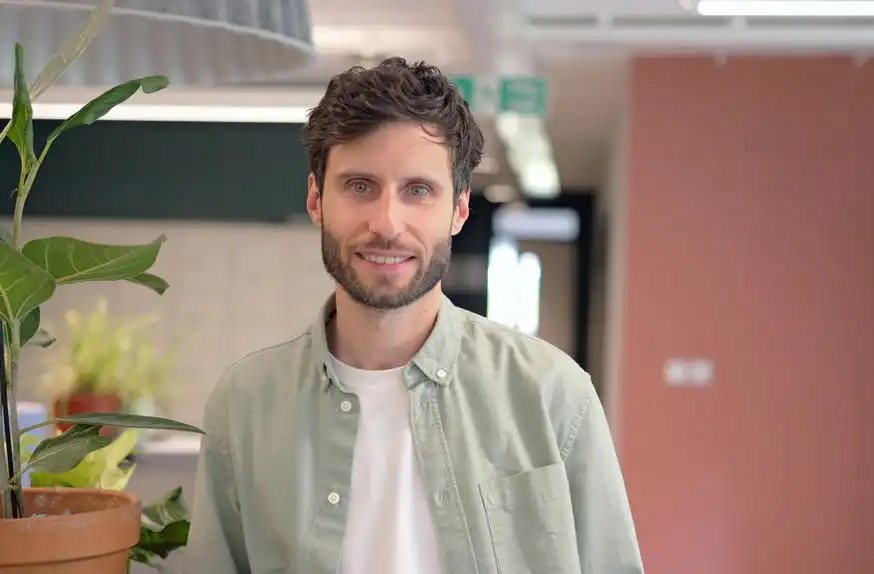
Forensic Linguist Dr Matteo Fuoli
Research has revealed the linguistic moves that manipulate trust and encourage collusion in illicit activity
BIRMINGHAM, UNITED KINGDOM, April 14, 2026 /EINPresswire.com/ -- New research has revealed the linguistic moves made by energy traders to manipulate trust and encourage collusion in illicit activity, misleading clients and officials, and supporting forms of corruption that spanned many organisations.
Forensic linguists from the University of Birmingham looked at how trust develops in real time, and how it is managed, repaired, and maintained in conversation, to ensure future collaboration.
The study, published by Cambridge University Press, used records from the Enron scandal. This was no ordinary fraud, and it went beyond creative accounting. Enron traders secured the trust of people working in external organizations to gain access to and control energy infrastructure, artificially constraining supply and driving up market prices.
These coordinated market moves were often discussed and arranged on the phone – and the clandestine conversations were taped, creating a ‘corpus’ of transcripts that is the world’s largest collection of spoken language records from illegal activity.
Linguistic analysis of these transcripts, led by Dr Matteo Fuoli, showed a larger share of speech by Enron traders dedicated to trust management compared to external speakers.
It also revealed a playbook of trust-related moves, which fell into five basic categories: bond, build, confide, probe, and repair.
Dr Fuoli said: “Access to covert conversations is rare. The size of the corpus meant we were able to produce a comprehensive framework for conversational tactics that can be used to build and manage trust and legitimize wrong-doing.”
The analysis showed ‘bond’ moves predominated in the conversations, with Enron traders fostering emotional connection, and projecting a persona of a friendly and supportive listener.
The ‘build trust’ moves provided rational arguments about why the listener should trust the speaker, including boasting to project competence.
Unsurprisingly, Enron traders used ‘confide’ moves, including sharing privileged information, significantly more often than external speakers, and while ‘probe’ moves were mostly used by external speakers, Enron speakers used ‘repair’ moves frequently, and these were primarily defensive (justification, or shifting the blame), with apologies and outright denials being rare.
Dr Fuoli is part of Lingsight, a team of world-class linguists from the University of Birmingham, UK, with a track record that includes major publicly-funded research projects and collaborations with top technology firms.
Dr Matteo Fuoli: “The framework has a diagnostic potential and can inform practical interventions in combating fraud such as phishing or romance scams, but also online radicalization in extremist discussion forums, and ideological harm networks like incel. It could also be used to identify the roles and relationships within a specific criminal network.”
“Similarly, studying the trust dynamics within extremist or ideological harm networks online could deepen our understanding of how and why individuals are drawn to these groups and guide the development of well-informed social policies and educational interventions.”
Ruth Ashton
University of Birmingham Enterprise
r.c.ashton@bham.ac.uk
Visit us on social media:
LinkedIn
X
Dr Fuoli looked at how trust develops in real time, and how it is managed, repaired, and maintained in conversation, to ensure future collaboration.
Legal Disclaimer:
EIN Presswire provides this news content "as is" without warranty of any kind. We do not accept any responsibility or liability for the accuracy, content, images, videos, licenses, completeness, legality, or reliability of the information contained in this article. If you have any complaints or copyright issues related to this article, kindly contact the author above.
