

The Dwarf Lake Iris: A Rare Plant Hiding in Plain Sight at The Ridges Sanctuary
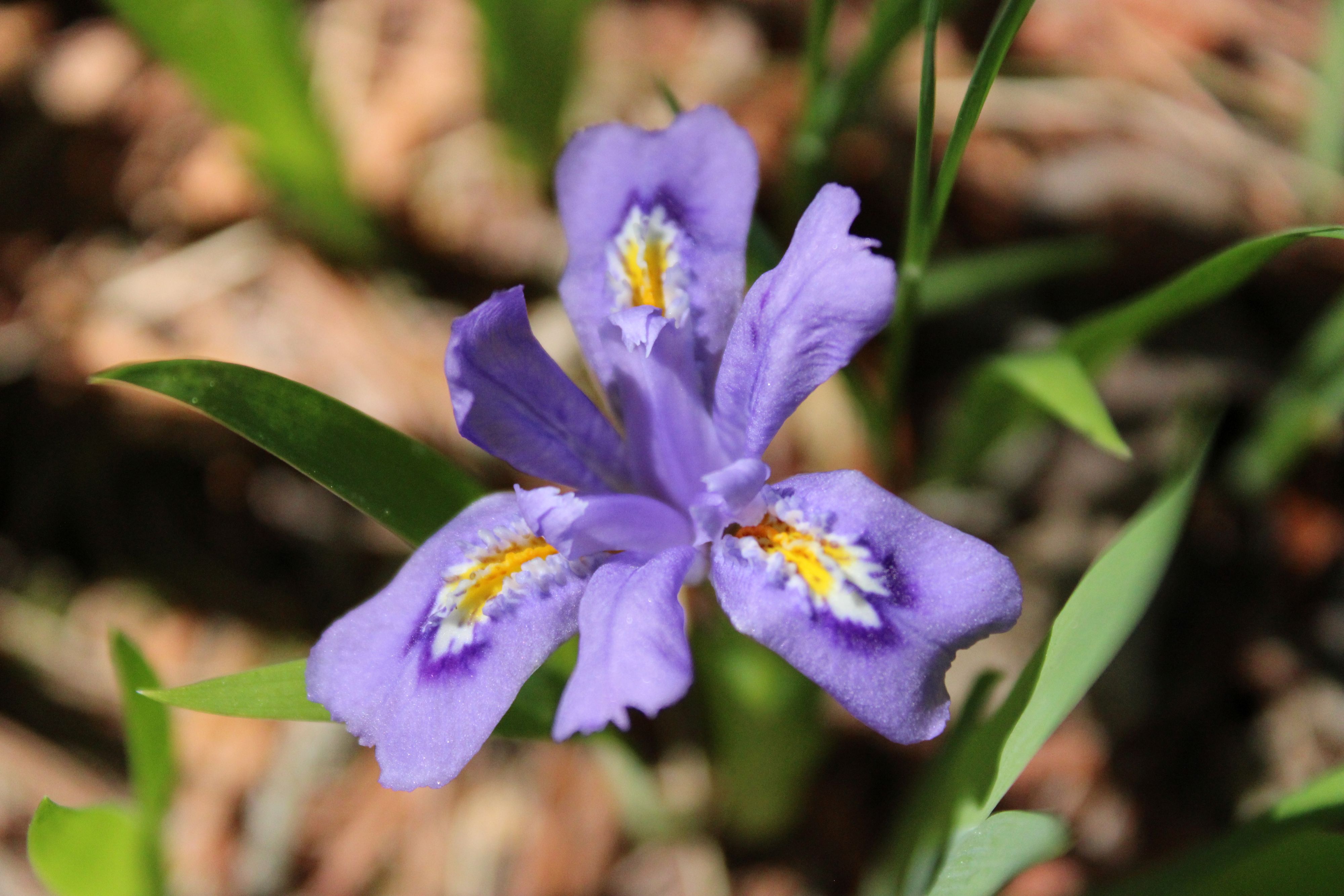
Dwarf Lake Iris at The Ridges Sanctuary
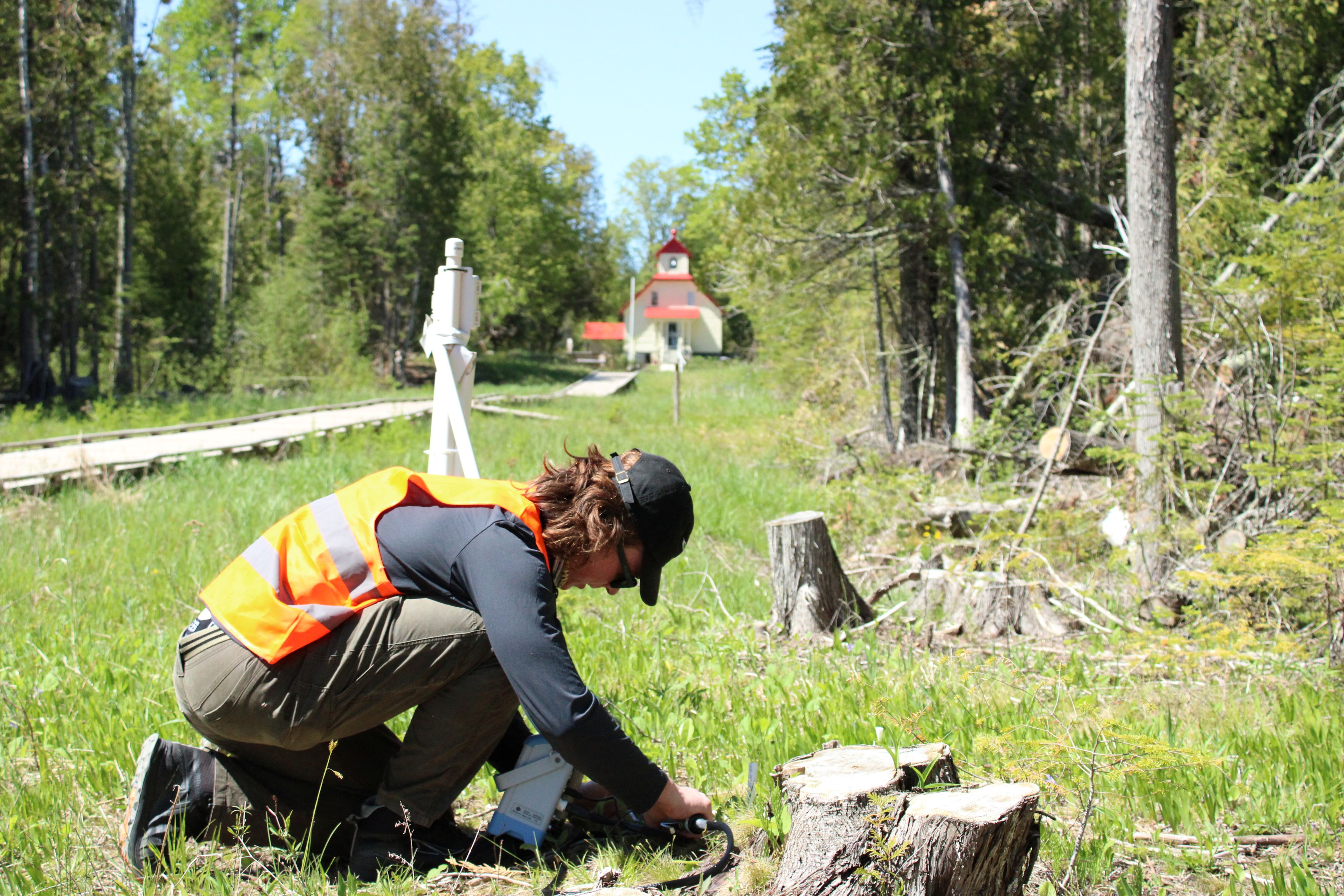
Beckham Sonnabend, Resident Research Fellow at The Ridges, uses a TARGAS portable photosynthesis system to measure photosynthetic efficiency of dwarf lake iris in the Range Light Corridor
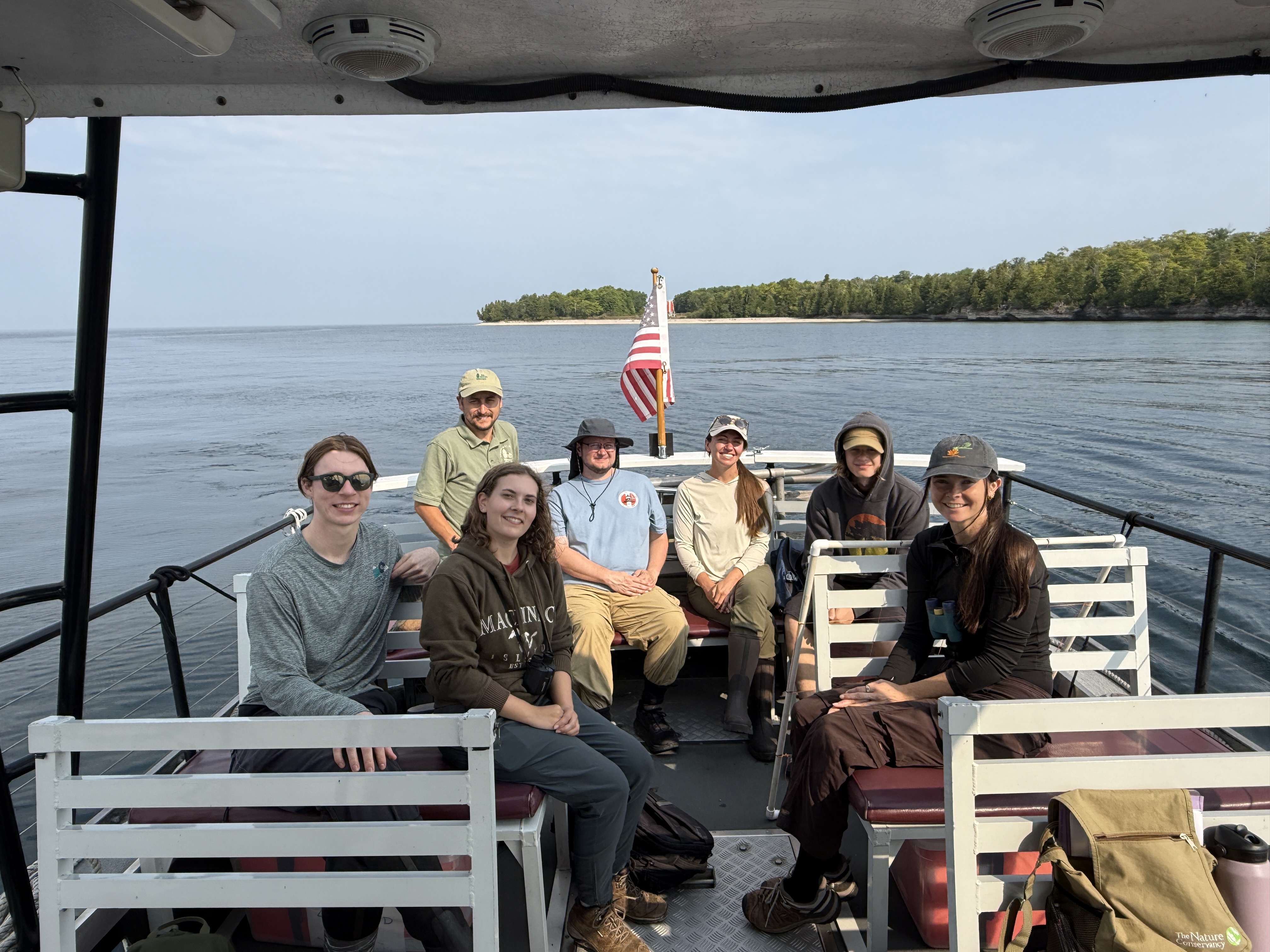
The Ridges' research and land team staff and interns travel to Plum Island for plot establishment and volunteer training, photo by Lyric Esslinger
Though abundant at The Ridges, only 165 populations are known worldwide. Research is revealing what this threatened plant needs to thrive.
BAILEYS HARBOR, WI, UNITED STATES, August 19, 2026 /EINPresswire.com/ -- Forming a veritable carpet of beautiful blue/purple flowers, the dwarf lake iris (Iris lacustris) announces the arrival of the summer season in a truly auspicious way. This federally and state- threatened plant is apparently quite happy in its home at The Ridges Sanctuary (TRS or The Ridges) in Baileys Harbor, Wisconsin. However, with the southernmost documented population in Wisconsin located only an hour's drive away, there is a deepening concern that this iconic plant may be subjected to increasing environmental pressures, of which their response is unknown.
When guests at TRS are shown large patches of dwarf lake iris and then told this plant is state- and federally threatened, the reaction is often to question the guide's knowledge or sanity. With the plant growing in abundance at the sanctuary, it is hard to fathom that this flower has been federally listed since 1988. However, when looking at a map of known locations, it becomes quite clear that even though TRS has quite a large number of these plants, the dwarf lake iris is only found along the northern end of Lakes Michigan and Huron, with a few scattered populations inland from Green Bay, Wisconsin. According to Cohen and Cohen (2023), only 165 populations of this plant are known worldwide: 89 in Michigan, 23 in Wisconsin, and 40 in Ontario. This limited number and distribution make for an interesting and challenging conservation endeavor.
The Ridges Sanctuary's mission is to "promote positive environmental behaviors through impactful educational experiences, land protection and management, and ecological research." Part of this obligation is to make data-driven decisions to preserve and protect the species under the sanctuary's stewardship, including the dwarf lake iris. Because of the current robust population's notoriety and the respect for the land management program at The Ridges, the United States Fish and Wildlife Service (USFWS) reached out to the land and research team in January 2023 with information about a feasible grant opportunity that fit the sanctuary's mission.
Following several brainstorming sessions and the grant application process, TRS was awarded a USFWS Coastal grant to finance a range light corridor tree maintenance project. The project includes a multi-year study of the impact of tree canopy manipulation on the survivorship, flowering, and reproduction of the dwarf lake iris. The ultimate goals are to identify which environmental factors allow for healthy dwarf lake iris populations and to select areas of the sanctuary that best exemplify these factors. Successful translocation of numerous populations and long-term monitoring will allow for a better understanding of the conservation practices necessary for the survival of this species.
To achieve these goals, numerous projects were launched. Volunteer recruitment was essential. As planned, these projects require a lot of help. Volunteers certainly answered the call. Baseline data collection was needed before any manipulation, so a project-area plant inventory was conducted. The Ridges developed protocols for dwarf lake iris transplantation and collected preliminary population data. The corridor tree clearing had to occur in winter due to bat and dragonfly habitat sensitivity. Numerous educational presentations and informational sign deployments were highly beneficial in informing the public about this research. TRS established experimental plots and developed and followed monitoring protocols. Through the support of the coastal grant, there are nine research plots, each with a monitor for sunlight, soil moisture, and soil temperature, and tree canopy densities are assessed. Volunteers and staff conduct physical plot monitoring and analyze this data. This will continue for the time needed to ascertain the environmental conditions needed for dwarf lake iris. Then, translocation areas will be selected, and transplantation will take place. Long-range monitoring is also planned.
Due to the ongoing dwarf lake iris work, further studies on this rare plant have been recently initiated. While conducting literature searches in preparation for the coastal grant application and implementation, TRS observed a large void regarding research on this plant. Bob Wise, Professor Emeritus of Botany at the University of Wisconsin-Oshkosh, is providing tremendous support for continuing research on the anatomical and physiological responses of this threatened plant. Under his mentorship, a donor-funded Resident Research Fellow and recent Lake Forest College graduate, Beckham Sonnabend, is focused solely on this work at TRS. Through this work and the mentorship, a better understanding of the needs of the dwarf lake iris will inform translocation decisions.
Because of the importance of education in the mission of The Ridges, additional USFWS grant monies were made available this year in conjunction with the initial coastal grant. Working with the USFWS and the Friends of Plum and Pilot Island, dwarf lake iris research has expanded to Plum Island. With this additional grant funding, TRS Forest School children traveled to these more remote dwarf lake iris populations for a preliminary scouting mission, followed by a land and research team adventure establishing research plots and training volunteers. The plan is to monitor these Plum Island populations alongside monitoring at TRS for comparison and to assess refugia potential. We hope to conduct genetic analysis of various populations in the future.
As stated by Marjory Brzeskiewicz in a September 2000 USDA Forest Service report, "lack of knowledge is as big a threat as any to sensitive species." Through partnerships between conservation organizations and the dedication of volunteers, knowledge acquisition is advancing the protection and preservation of these species in changing times.
Tony Kiszonas & Victoria Holderer
The Ridges Sanctuary
+1 920-839-2802
email us here
Visit us on social media:
LinkedIn
Instagram
Facebook
YouTube
Legal Disclaimer:
EIN Presswire provides this news content "as is" without warranty of any kind. We do not accept any responsibility or liability for the accuracy, content, images, videos, licenses, completeness, legality, or reliability of the information contained in this article. If you have any complaints or copyright issues related to this article, kindly contact the author above.
